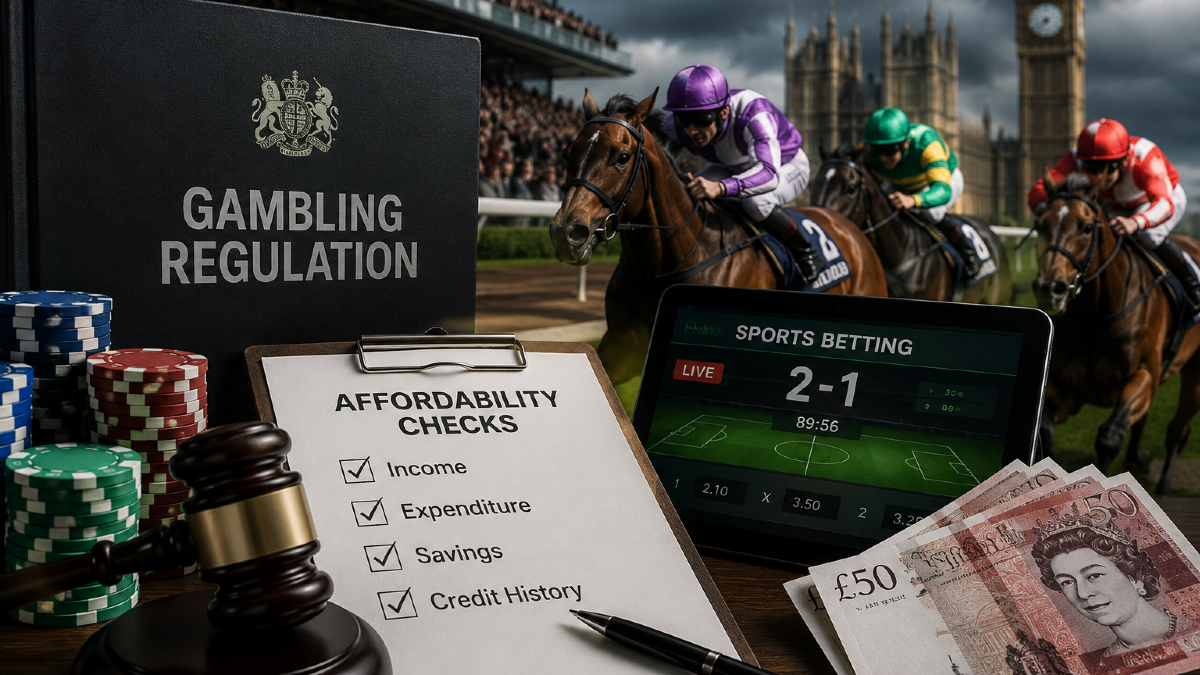
A group of 19 MPs representing British racecourse constituencies has called on Culture Secretary Lisa Nandy to intervene before the Gambling Commission moves forward with proposed financial risk assessments for bettors.
The checks, often referred to as affordability checks, are part of wider gambling reforms linked to the 2023 Gambling White Paper. However, MPs and racing industry leaders are warning that the policy could seriously damage British horseracing, reduce betting turnover, and push more customers toward unlicensed gambling operators.
The cross-party group raised its concerns ahead of a Gambling Commission board meeting, where the pilot scheme is expected to be discussed before any possible wider rollout.
Racing Faces Potential £250 Million Hit
According to racing industry estimates cited in the MPs’ letter, the proposed checks could cost British horseracing around £250 million over the first five years.
The Betting and Gaming Council has also warned that more than 44,000 horse racing bettors could move to the illegal market if the checks are introduced in their current form. That shift could reportedly result in a £13 million loss in Levy funding for the sport.
MPs said British racing is closely tied to the regulated betting market, meaning any drop in licensed betting activity could have a direct financial impact on racecourses, jobs, communities, and the wider racing ecosystem.
MPs Raise Concerns Over Transparency
The MPs argued that the policy has not received enough parliamentary scrutiny. They also questioned whether the results of the Gambling Commission’s pilot scheme have been made sufficiently clear.
In their letter, the MPs said there had not been enough transparency around the pilot and challenged the claim that the checks could be “frictionless” for racing bettors.
They said the pilot involving credit reference agencies had shown that the process could still require some customers to provide financial documents. According to the MPs, this contradicts previous assurances from current and former gambling ministers that affordability checks would only be introduced if they were fully frictionless.
The letter was signed by MPs from five political parties. Signatories included Dan Carden, Labour MP for Aintree; Jack Rankin, Conservative MP for Ascot; Helen Maguire, Liberal Democrat MP for Epsom Downs; and Nick Timothy, Conservative MP for Newmarket.
What the Pilot Checks Involve
Under the current pilot, financial risk assessments apply when customers record net deposits of more than £1,000 within 24 hours or £2,000 across a rolling 90-day period.
A higher monthly threshold of £5,000 had previously been agreed during the early phase of frictionless checks.
Supporters of financial risk assessments argue that they are designed to identify potentially harmful gambling behavior. However, critics say the checks could become intrusive, discourage recreational bettors, and undermine the regulated market.
Illegal Gambling Market Concerns
A major concern raised by MPs is that stricter checks could encourage more bettors to move away from licensed operators and use illegal gambling sites instead.
The MPs said some people are already choosing unlicensed platforms to avoid intrusive checks. They argued that requiring financial documentation for a legal leisure activity could push even more customers toward the black market.
Their letter cited analysis from Yield Sec suggesting that around one in 10 bettors already uses the illegal market. It also referenced concerns over the growth of illegal gambling, including claims that the sector increased by 522% between August 2021 and September 2023.
The Betting and Gaming Council has estimated that a shift toward illegal operators could cost the Treasury around £300 million per year in lost revenue.
A YouGov poll commissioned by the BGC found that two-thirds of respondents would refuse to provide financial documents if required to continue betting. The council has also estimated that around 120,000 additional punters could face checks if the policy is implemented.
Racing Leaders Call for the Pilot to Be Paused
British racing bodies have also urged the government to reconsider the policy before it is expanded. More than 400 figures from the sport previously signed a letter to Lisa Nandy warning about the financial risks to racing and the regulated betting sector.
Dr James Noyes, an adviser to the government on gambling policy, recently resigned from his role and criticised plans to proceed with the policy without what he considered proper scrutiny.
Greg Swift, director of communications and corporate affairs at the British Horseracing Authority, thanked racecourse MPs for supporting the sport and warned that affordability checks could create serious consequences for racing communities.
He said the checks could damage racing’s finances, threaten jobs, and harm a sport that plays an important role in many local communities.
Wilf Walsh, chairman of the Racecourse Association, also called for the pilot programme to be paused. He said racing had already felt financial pressure from affordability checks and warned that the impact could become worse if the pilot becomes permanent policy.
MPs Ask for Ministerial Oversight
The MPs have urged Lisa Nandy to ensure that ministerial oversight remains in place before any permanent decision is made.
They called on the government to ask the Gambling Commission to pause any further progression beyond the current pilot phase until a full and transparent assessment has been completed.
The MPs said that assessment should examine the impact of the checks on racing, consumers, the regulated betting market, and public finances.
The debate places the government and the Gambling Commission under growing pressure as they attempt to balance consumer protection with the financial health of British racing and the wider licensed betting industry.